
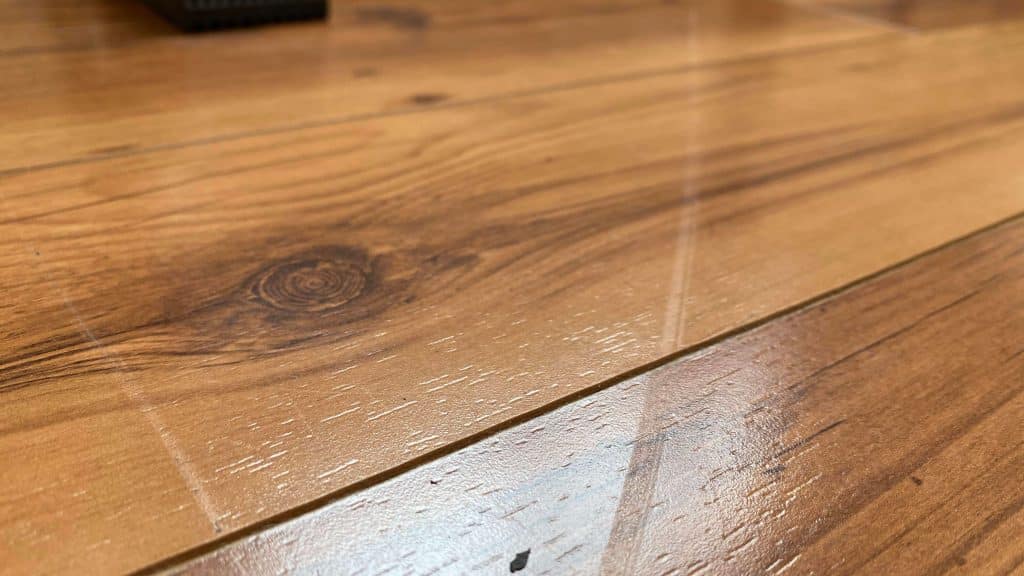
pet damage
How to Fix Scratches in Hardwood Floors: Repair Guide
How to fix scratches in hardwood floors: depth diagnosis, drag mark repair, touch-up pen vs ReCoat vs full sand. Honest fix-vs-accept guide.
Wood floors are a beautiful and timeless addition to any home. However, they can easily become damaged, especially in high traffic areas. One common issue that homeowners face is drag marks and scratches on wood floors. These marks can be unsightly and can make your floors look worn and old.
But fear not, there are ways to remove drag marks and scratches restoring the beauty of your wood floors. In this article, we share methods for removing the appearance and presence of drag marks and deep scratches from wood floors.
Understanding Drag Marks and Scratches
Before we dive into the removal process, it’s important to understand what drag marks are and how they are formed. Drag marks are scratches or scuffs on the surface of the wood caused by dragging heavy objects or furniture across the floor. Scootching rugs or other lighter items on wood floors can also cause this damage as they can trap stones or debris as they are moved across the floor. It’s important to lift and set items on wood floors to prevent drag marks and scratches.
Drag marks and scratches can be shallow or deep, depending on the weight and type of object that caused them. They can also be caused by shoes with hard soles or rocks and dirt stuck to the bottom of shoes. Understanding the cause of the drag marks can help prevent them from happening in the future.
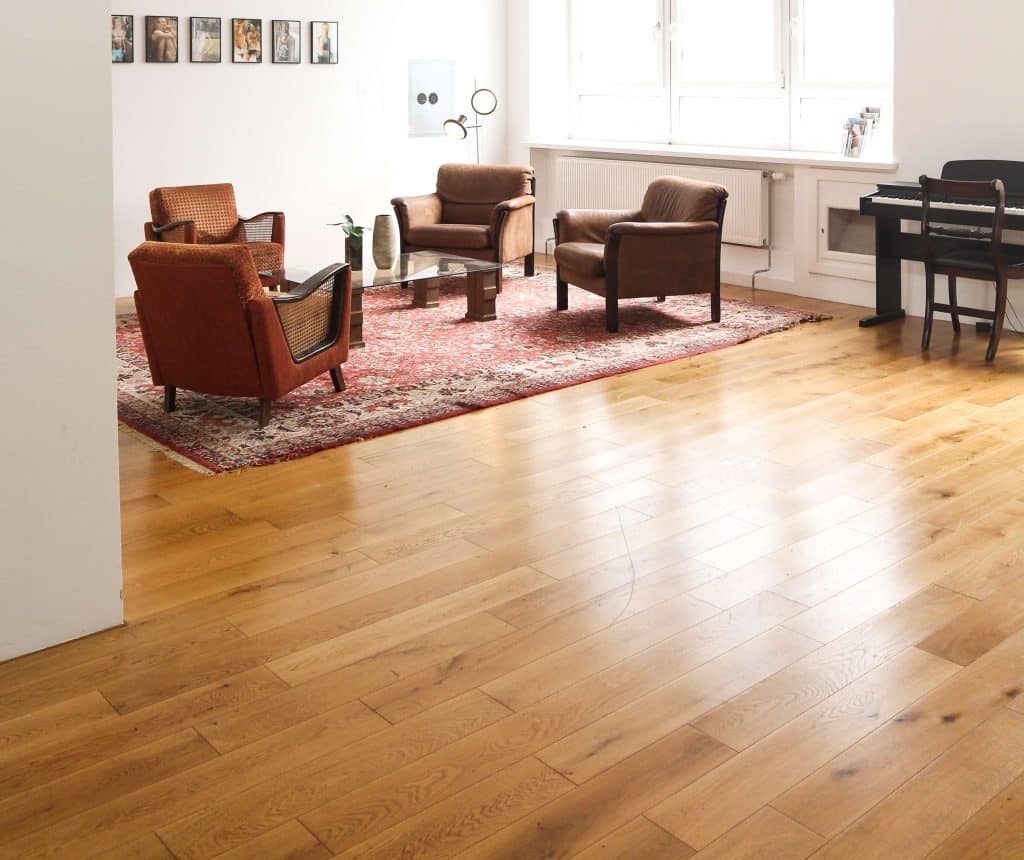
Wood Floor Refinishing
If your wood floors have deep drag marks, the best solution to fully remove them may be to refinish the floors. By sanding the surface of the floors to bare wood, the scratches and drag marks are removed or at least the depth of them is minimized.
Hiring professional wood floor refinishers is recommended for sanding floors down to the bare wood. They possess the appropriate tools and skills to guarantee a flat and polished finished surface on the floor.
A newer option and more desirable option for refinishing floors is ReCoat Revolution. The Clean ReCoat Process takes only a day and minimizes and disguises the appearance of drag marks and scratches by cleaning and gently abrading the surface of the floor. The finish is then applied resulting in a smooth, clean and fresh floor where the drag marks and scratches are less apparent. This process also costs only a third or less than traditional wood floor refinishing.
However, if you are experienced in DIY projects, you can rent a floor sander and do it yourself. Just be sure to follow the instructions carefully and take your time to avoid any mistakes.
Repair Kits for Drag Marks and Scratches
For shallow drag marks, you can use a floor scratch repair kit to remove or disguise the marks. These kits typically come with a wax filler that matches the color of your wood floors. Simply fill in the scratch with the wax and use a putty knife to smooth it out.
Once the wax has dried, use a fine-grit sandpaper to gently sand down the excess wax until it is flush with the surface of the floor. This method is quick and easy, but it is not typically as effective for deeper drag marks and scratches.
Natural Fixes for Drag Marks and Scratches
If you prefer to use natural materials for repairs, there are a few options that work well. One method is to use a mixture of equal parts vinegar and olive oil. Apply the mixture to the drag marks and let it sit for a few minutes before wiping it off with a clean cloth. This method will disguise the scratch by darkening the color of the wood beneath, but not reduce the depth of the scratch.
Another option is to use a paste made of baking soda and water. Apply the paste to the drag marks and let it sit for 10-15 minutes before wiping it off. Using these methods may be time consuming, but they can help disguise the appearance of shallow drag marks.
By following these methods, you can reduce the appearance of drag marks and scratches from your wood floors restoring their beauty.
Preventing scratches using protective pads and cushions on furniture legs is best. Actively safeguarding wood floors is the best way to ensure drag marks and scratches don’t occur.
With proper care and maintenance, your wood floors will continue to shine for years to come.